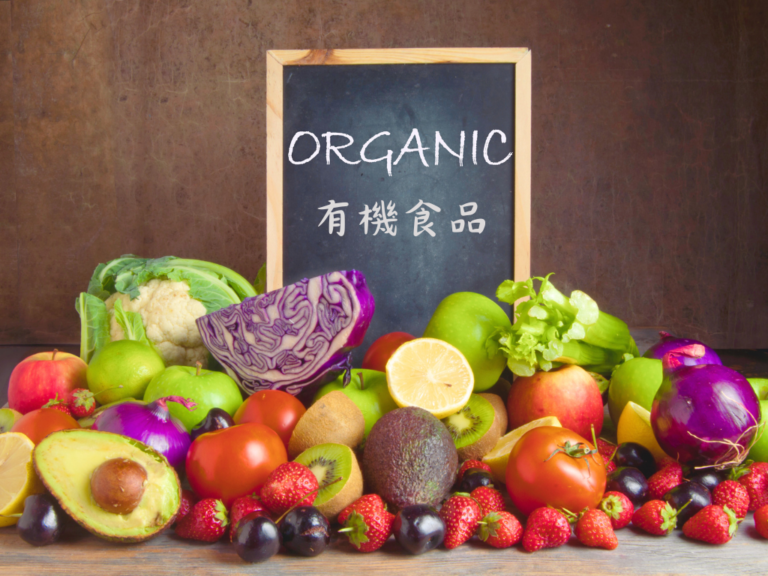
Do you all feel this way? When we're feeling down, anxious, or tense, we often want to eat bananas, chocolate, hot oatmeal, or a warm cup of milk. This isn't just psychological. Research has found that certain foods can indeed affect neurotransmitters in the brain that are related to emotions, such as serotonin, dopamine, and stress-regulating hormones.
The so-called "happy foods" aren't a magic that instantly makes you happy
instead they providethe essential nutrients needed to stabilize your mood..

🧠 Happy foods usually have one or more of the following characteristics
✔️ Contain ingredients for producing emotional chemicals like tryptophan, which is a precursor to serotonin, help to emotional stability and relaxation.
✔️ Rich in nutrients that calm the nerves, such as magnesium (for nerve relaxation), B vitamins (essential for energy metabolism), and Omega-3.
✔️ Help stabilize blood sugar levels, reducing emotional swings.
✔️ Promote gut health—considered the "second brain," the gut microbiota impacts serotonin production, inflammatory responses, and stress hormones.

🍽️ Representative foods that can help improve mood
🍌 Bananas | Natural source of joy
Rich in vitamin B6 and tryptophan, which are important precursors to serotonin.
🐟 Deep-sea fish | Omega-3 for nerve stability
EPA and DHA found in salmon and sardines are associated with reduced brain inflammation and improved emotional regulation.
🥛 Milk, yogurt, cheese | Relaxing nutrition
Tryptophan and calcium help relax nerves, while probiotics from fermented dairy affect emotional balance from the gut level.
🌾 Whole grains | Prevent emotional ups and downs
Oats, brown rice, and whole grain bread provide stable energy and B vitamins, helping to keep blood sugar steady and enhance focus.
🥜 Nuts and seeds | Magnesium for mood support
Walnuts, almonds, and pumpkin seeds are rich in magnesium and healthy fats, closely related to emotional stability and improved sleep quality.
🍫 Dark chocolate | Gentle emotional healing
About 70-85% dark chocolate is rich in polyphenols and theobromine, promoting brain blood flow and assisting mood regulation (enjoy in moderation).
🍓 Berries | Brain’s stress-fighting vitamins
Rich in anthocyanins and antioxidants, helping to protect the brain and reduce stress damage.
🫘 Legumes | Plant-based helpers for serotonin
Edamame and soybean milk are rich in tryptophan, B vitamins, and fiber, stabilizing blood sugar and supporting mood balance.
🥚 Eggs | The backbone of emotions
High-quality proteins and B vitamins are crucial materials for nerve stability and serotonin synthesis.

🧘♀️ What’s the difference between "relieving tension" and happy foods?
They actually don’t conflict.
Happy foods are more about long-term emotional stability,
while relieving tension focuses more on reducing immediate stress responses.
Key nutrients include:
- Magnesium: Dark leafy greens, nuts, oats
- Calcium:Milk, yogurt, firm tofu, black sesame seeds
- Omega-3: Deep-sea fish, walnuts, chia seeds
- Tryptophan: Bananas, milk, eggs, legumes
- L-theanine: Green tea, matcha
- Vitamins B, C, D: Whole grains, fruits, eggs, mushrooms
It’s advisable to reduce excessive intake of caffeine, refined sugars, and highly processed foods to avoid stimulating the nerves and exacerbating emotional fluctuations.
In conclusion:
Happy foods are not a quick fix, but they silently provide your body with the "foundational energy" for a good mood.
When the brain, blood sugar, gut, and nervous system are well taken care of, you naturally feel calmer, more energetic, and more able to appreciate life.
Choosing some "mood-friendly foods" is actually a gentle and practical form of self-care 😘